

Arrivals are up, but margins remain thin. For hoteliers, tour operators, and investors, the next 18 months will separate businesses that merely survived from those that emerge as regional champions.
━━━━━━━━━━━━━━━━━━━━━━━━━━━━━━━━━━━━━━━━━━━━━━━━━━━━━━━
KEY STATS (for callout boxes):
- 2nd — Tourism’s rank among Kenya’s foreign exchange earners (after agriculture)
- ~1.9M — International arrivals (2025, preliminary)
- ~$1.4B — Annual tourism revenue (pre-COVID peak: $1.6B)
- 12% — Share of tourism jobs classified as “green or transitioning” (compared to 28% in Costa Rica)
- #3 — Kenya’s ranking in Sub-Saharan Africa for tourism competitiveness (after Mauritius, South Africa)
━━━━━━━━━━━━━━━━━━━━━━━━━━━━━━━━━━━━━━━━━━━━━━━━━━━━━━━
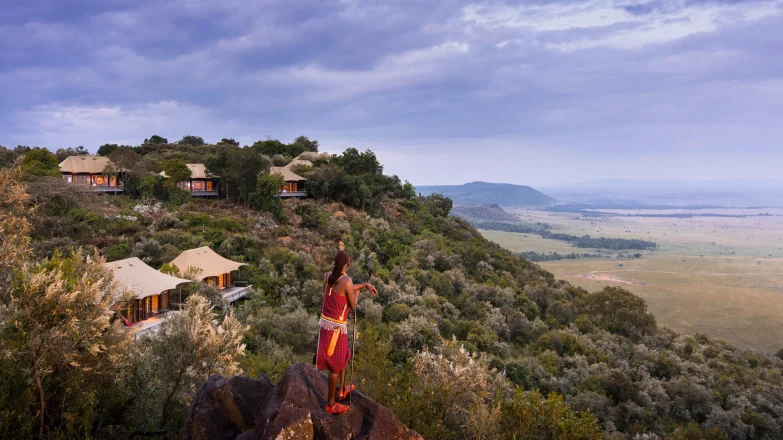
Tourism is no longer just Kenya’s second-largest foreign exchange earner. In a post-2026 fiscal environment — where multilateral lending remains tight and the Shilling’s stability depends on hard currency inflows — it is a strategic asset. Every dollar spent by a visitor in the Maasai Mara, Diani Beach, or Lamu helps close the current account deficit without a single politician signing a loan agreement.
The sector has staged a genuine recovery from the COVID-19 collapse and the post-2022 global travel slowdown. Preliminary KNBS and KTB data for 2025 show international arrivals approaching 1.9 million, with revenue climbing toward $1.4 billion. But here’s the question that should keep industry leaders awake: Are we merely recovering lost ground, or are we building something more resilient than 2019?
STATE OF PLAY: THE COMEBACK BY THE NUMBERS
| Indicator | 2019 (Peak) | 2023 | 2025 (Est.) | Gap to Peak |
|---|---|---|---|---|
| Int’l arrivals | 2.05M | 1.75M | 1.92M | -6% |
| Revenue (USD) | $1.63B | $1.25B | $1.41B | -13% |
| Avg spend per tourist | $795 | $714 | $734 | -8% |
| Direct tourism jobs | 580,000 | 490,000 | 535,000 | -8% |
The arrival numbers are close to pre-pandemic levels. But lower per-tourist spend and thinner margins tell the real story: Tourism is back, but profitability is not.
Globally, travelers are spending more on experiences but demanding better value. Regionally, Tanzania, Rwanda, and Uganda are aggressively marketing their own attractions, often with more flexible visa regimes and lower operating costs. Domestically, rising operational expenses — energy, labour, compliance — are squeezing operators who cannot (or will not) raise prices without losing volume.
QUOTE
“The old model — fly in, safari drive, beach resort, fly out — is no longer enough. The winners will be those who turn one-time visitors into repeat guests, passive consumers into active participants, and carbon-heavy operations into certified green assets.”
WHY THIS MOMENT IS DIFFERENT FROM 2019
Three structural shifts make the 2026–2027 window distinct:
1. The eco-conscious traveler is no longer niche.
Sixty-seven percent of global travelers surveyed in 2025 (Booking.com/Sustainable Travel Report) said they would pay more for certified sustainable accommodations. In Kenya, only a handful of lodges (e.g., Segera, Ol Pejeta, Giraffe Manor) have credible international certifications. That gap is a competitive disadvantage — and an opportunity.
2. Remote work has permanently changed travel patterns.
The “bleisure” (business + leisure) segment has grown 40% since 2023. Kenya’s reliable fibre infrastructure in Nairobi and Mombasa, combined with time-zone advantages for European and Middle Eastern remote workers, makes it a viable destination for month-long stays — if operators offer reliable WiFi, co-working spaces, and weeknight programming.
3. Chinese outbound tourism is recovering on new terms.
China’s outbound travel to Africa in 2025 reached roughly 60% of 2019 levels, but the profile has changed: smaller groups, higher spending on unique experiences, and greater reliance on digital booking platforms. Operators without WeChat integration or Mandarin-speaking guides are invisible to this market.
THE OPPORTUNITIES (EXPANDED)
1. Sustainability as a Margin Multiplier, Not a Cost
Too many Kenyan operators treat “eco-tourism” as a marketing label rather than an operational strategy. The businesses that will outperform are those that embed sustainability into cost reduction and revenue generation:
- Energy: Solar installations at lodges in the Mara and Laikipia have payback periods of 3–4 years, yet adoption remains below 30% off-grid. With diesel now 40% more expensive than pre-2022 levels, delay is irrational.
- Water: Rainwater harvesting and greywater recycling reduce reliance on expensive trucked water. In coastal areas, this can cut monthly utility bills by 25–35%.
- Waste: Single-use plastic bans are now enforced. Operators who go further — eliminating plastic across supply chains, composting organic waste — can market themselves to premium eco-segments and command 15–20% rate premiums.
Real-world example: Il Ngwesi Eco-Lodge in Laikipia runs entirely on solar, treats its own water, and channels 70% of bed night fees directly to community conservancies. Occupancy averages 78% year-round — outperforming the regional average by 20 points.
2. Diversification Beyond the “Northern Circuit”
Eighty percent of Kenya’s tourism revenue still flows through the Maasai Mara–Amboseli–Nakuru–Samburu circuit. That concentration creates vulnerability (drought in one region affects national performance) and misses massive opportunities:
- Coastal cultural tourism: Lamu’s Swahili heritage, Mombasa’s Old Town, and Gede Ruins are under-marketed. A fraction of Zanzibar’s spend on heritage tourism would yield returns.
- Western Kenya circuits: Kakamega Forest, Kisumu’s impala sanctuary, and Rusinga Island are virtually unknown internationally. Domestic tourism campaigns targeting Nairobi’s middle class could activate these areas with low upfront investment.
- Adventure and wellness: Hell’s Gate (cycling, rock climbing), Mount Kenya (trekking), and Lake Turkana (expedition travel) appeal to younger, higher-spending travelers. Meanwhile, wellness retreats in the Tana River corridor and coastal areas are virtually absent, despite global wellness tourism growing at 9% annually — double the rate of general tourism.
3. Public-Private Partnerships That Actually Work
The Kenya Tourism Board (KTB) has improved its digital marketing, but coordination between government and operators remains fragmented. Three specific gaps that private sector leaders should push for in 2026:
- Visa on arrival for all African Union passport holders (currently only EAC nationals enjoy seamless access). Rwanda and Ghana already do this.
- Single-entry East African tourist visa (Kenya, Tanzania, Uganda, Rwanda) to compete with the Southern African regional visa. Attempts have stalled for a decade.
- Dedicated tourism infrastructure fund (using a portion of the Tourism Promotion Service levy) to finance last-mile road access to turtle nesting sites, bird sanctuaries, and community conservancies.
4. Business Events and MICE Tourism
Meetings, Incentives, Conferences, and Exhibitions (MICE) tourists spend 2–3 times more per day than leisure travelers. Kenya hosts the Africa Climate Summit (annually in Nairobi), but beyond that, the calendar is thin. With the newly expanded Kenyatta International Convention Centre (KICC) and several new international hotels (Radisson Blu Upper Hill, JW Marriott), Kenya has the hard infrastructure. What’s missing:
- A dedicated National Convention Bureau (South Africa and Rwanda have had one for years)
- Bid funding to compete for international association conferences (the average conference bid costs $50,000–150,000 to prepare)
- Post-conference tour packages that convert business travelers into safari tourists
THE THREATS NO ONE IS TALKING ABOUT
Climate volatility. The 2022–2023 drought killed an estimated 2.5 million livestock and devastated wildlife populations in northern reserves. The 2024 floods washed out roads and lodges in the Tana River region. Tourism operators without climate adaptation plans — raised platforms, alternative access routes, diversified water sources — are gambling with their assets.
Overtourism in the Maasai Mara. The Mara receives over 500,000 visitors annually in a conservancy system designed for perhaps 300,000. Vehicle congestion at river crossings and high grass damage are visible to discerning travelers. Without a reservation system or higher park fees (as Rwanda uses to manage gorilla trekking), the Mara will degrade the very resource it depends on.
Air access concentration. Over 70% of international arrivals come through JKIA (Nairobi). A single disruption — another fire, a labor strike, or runway closure — would paralyze the sector. Mombasa’s Moi International Airport and Kisumu’s airport remain underutilized. Incentivizing direct charter flights to the coast and western Kenya should be a national priority.
A 5-POINT ACTION PLAN FOR TOURISM LEADERS (2026–2027)
| Priority | Action | Timeline | Expected ROI |
|---|---|---|---|
| 1 | Obtain at least one credible sustainability certification (Eco-Tourism Kenya, Travelife, GSTC) | 6 months | 15–20% rate premium, access to green travel marketplaces |
| 2 | Build direct booking channels (reduce reliance on Booking.com/Expedia‘s 15–20% commissions) | 3–6 months | 10–15% margin recovery |
| 3 | Develop at least one niche product (wellness, birding, cycling, cultural homestay) | 6–12 months | Reduced seasonality, higher repeat rates |
| 4 | Join or form a destination marketing cooperative with adjacent operators | 3 months | Shared marketing costs, package product creation |
| 5 | Install solar + battery storage if off-grid, or sign a green tariff agreement if on-grid | 12–18 months | 30–50% energy cost reduction, marketing advantage |
THE VERDICT
Kenya’s tourism sector is no longer in survival mode. The comeback is real. But the businesses that merely return to 2019 profitability will find themselves outpaced by regional competitors, undercut by climate risk, and ignored by a new generation of travelers.
The question for 2026 is not “Can we recover?” It is “What are we building that didn’t exist before?”
Scenario A (Ambition): Operators invest in sustainability, diversify products, and push for coordinated public-private reforms. By 2028, tourism surpasses agriculture as the #1 forex earner, supports 850,000 direct jobs, and establishes Kenya as Africa’s premier sustainable tourism destination.
Scenario B (Stasis): The industry rides the post-COVID wave, keeps operating as it did in 2019, and watches Tanzania (+8% annual arrivals growth) and Rwanda (+12%) capture the eco-adventure and business events markets respectively. Kenya settles into third place regionally — profitable for some, but a missed generational opportunity.
The window is open. It will not stay open forever.
━━━━━━━━━━━━━━━━━━━━━━━━━━━━━━━━━━━━━━━━━━━━━━━━━━━━━━━
CALL TO ACTION:
What innovations or success stories are you seeing in Kenya’s tourism sector?
- Seeing higher-margin eco-tourism in action? Name the operator (or region) below.
- Struggling with energy costs or seasonality? Share your challenge — other readers may have solutions.
- Want to write a guest piece on emerging trends (wellness tourism, MICE, community-based travel)? Pitch us at [email] with a 2-sentence summary.
Related: Tourism Category | Kenya Business | Economic Growth | Sustainable Investment
━━━━━━━━━━━━━━━━━━━━━━━━━━━━━━━━━━━━━━━━━━━━━━━━━━━━━━━